

Why NYSMDA Is Becoming One of the Best Career Paths in New York City for Medical and Dental Assistant Training
Why NYSMDA Is Becoming One of the Best Career Paths in New York City for Medical and Dental Assistant Training
As the cost of traditional college continues to rise across the United States, many New Yorkers are searching for faster, more affordable career paths that still offer stability, upward mobility, and long-term demand. For a growing number of students, the New York School for Medical and Dental Assistants has emerged as a practical gateway into one of the strongest sectors of the American economy: healthcare.
Located in New York City, NYSMDA focuses on career-oriented healthcare education designed to help students enter the workforce quickly. In a city where living expenses continue to climb and student debt has become a major national concern, many prospective students increasingly prioritize speed, employability, and return on investment over the traditional four-year college experience.
Healthcare continues to be one of the most durable employment sectors in the American economy. Hospitals, urgent care clinics, specialty practices, dental offices, outpatient surgical centers, and private physician groups all require trained support professionals to operate efficiently. Medical assistants and dental assistants sit at the center of that ecosystem.
Unlike many industries vulnerable to economic downturns, healthcare demand tends to remain resilient regardless of broader market conditions. New York’s aging population, expanding healthcare infrastructure, and continued population density create ongoing demand for trained allied health professionals. That trend has made healthcare support careers increasingly attractive to students seeking long-term job security.
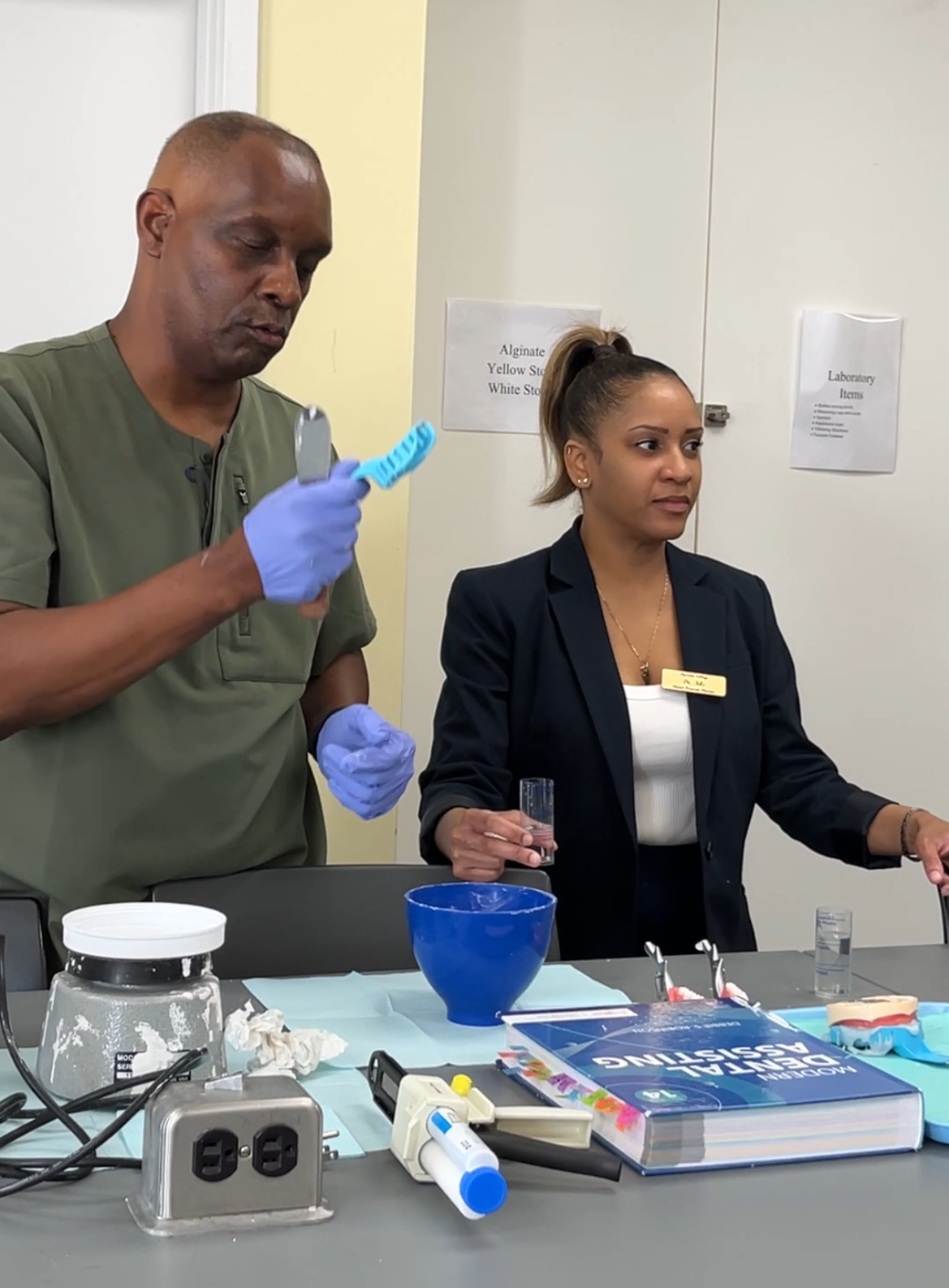
One reason NYSMDA stands out is its focus on workforce preparation rather than purely academic theory. Students receive practical training intended to mirror real clinical environments. This hands-on approach matters because employers often prioritize candidates who can immediately contribute in patient-facing settings.
Medical assisting itself has evolved substantially over the last decade. Today’s medical assistants frequently handle a combination of clinical and administrative responsibilities. Depending on the workplace, they may assist with patient intake, electronic medical records, scheduling, insurance processing, vital signs, injections, laboratory preparation, and physician support tasks. Dental assistants similarly play critical operational roles inside modern dental practices, helping procedures run efficiently while supporting both dentists and patients.
For many students, one of the strongest appeals of NYSMDA is accessibility. The school attracts a broad cross-section of New Yorkers, including career changers, first-generation college students, working adults, immigrants, and students looking for alternatives to traditional universities. The programs are designed around employability and practical outcomes.
Its location in Queens also provides a major logistical advantage. New York is a city where commuting can significantly impact educational success. A centrally accessible campus near public transportation makes attendance easier for students across multiple boroughs.
Another major advantage is speed. Many NYSMDA students are not looking to spend four to six years in school before entering the workforce. They want direct pathways toward employment and financial independence. Career-focused healthcare programs can provide exactly that.
The healthcare industry also offers long-term mobility opportunities. Many students use medical assisting or dental assisting as an entry point into larger healthcare careers. Graduates may later pursue nursing, radiologic technology, dental hygiene, healthcare administration, laboratory sciences, or specialized certifications. In that sense, NYSMDA can serve as the beginning of a broader professional journey rather than a final destination.
The rise of technology in healthcare has also increased demand for workers comfortable with electronic medical systems, digital scheduling platforms, insurance software, and modern patient management systems. Smaller clinics and large healthcare organizations alike increasingly value staff members who can operate efficiently in technology-driven environments.
Another reason schools like NYSMDA are gaining attention is the changing perception of career education in America. Younger generations are increasingly questioning whether traditional college paths justify the cost. Many students now prioritize programs that provide direct career outcomes, lower debt exposure, and faster entry into stable industries.
In cities like New York, where economic pressure is constant, practical education has become more attractive than ever. A student who enters the workforce quickly in healthcare may gain years of earning power compared to peers pursuing longer educational pathways with uncertain job prospects.
At the same time, healthcare careers often provide intangible rewards beyond financial stability. Many students are drawn to the opportunity to work directly with patients, contribute to community health, and participate in professions centered around helping others.
For New Yorkers seeking a realistic, employment-focused path into a stable industry, NYSMDA increasingly represents a compelling option. Rather than emphasizing prestige branding or theoretical academia, the school’s value proposition centers on accessibility, practical training, workforce readiness, and the possibility of building a brighter financial future through healthcare.
