

Malvina Cueria: The First Paid Dental Assistant in United States History and the Quiet Pioneer Who Transformed Modern Dentistry

Malvina Cueria: The First Paid Dental Assistant in United States History and the Quiet Pioneer Who Transformed Modern Dentistry
The story of modern dental care often highlights scientific breakthroughs, influential researchers, and advancements in technology. Yet one of the most important figures in the evolution of the dental profession is someone who never sought the spotlight. Her name was Malvina Cueria, and she holds the distinction of being the first paid dental assistant in the United States. Her work in the late nineteenth century helped reshape how dental practices operated, opened doors for women in healthcare, and set the foundation for a profession that now supports hundreds of thousands of dental workers nationwide.
Malvina’s career began in the New Orleans practice of Dr. Edmund Kells, a dentist known for innovation and for introducing new ideas into clinical care. Before Cueria joined his staff, dentistry was usually a one-person operation. Dentists cleaned their own instruments, prepared their own rooms, and often struggled to manage increasing patient demand. That changed when Dr. Kells hired Malvina as a full-time employee, making her the first documented paid dental assistant in the country.
Her presence transformed the office dynamic. At a time when social norms discouraged women from seeking dental care without their husbands’ approval, Malvina’s participation made the practice more welcoming for female patients. Many women felt safer and more comfortable receiving treatment when another woman was present. As more women visited Dr. Kells’ office, other dentists across the country began to recognize the value of having assistants and started advertising “Ladies in Attendance” to attract female patients.
Malvina’s work extended far beyond greeting patients. She organized treatment rooms, prepared instruments, supported procedures chairside, and helped streamline workflows so the practice could treat more people in less time. Many of her responsibilities—now standard for dental assistants—were entirely new concepts in the 1880s. Without formal training programs or established guidelines, she helped build the framework for what the profession would eventually become.
Her contributions helped influence a growing national movement. Within decades, dental assistants formed local societies, and by 1925 the American Dental Assistants Association (ADAA) had been established. While Malvina did not play a formal role in organizing these groups, her early work helped spark the idea that dental assistants were essential members of the healthcare team.
Today, dental assistants are a fundamental part of dentistry. They take X rays, sterilize instruments, manage treatment spaces, assist during procedures, maintain patient records, and often serve as the patient’s most trusted point of contact. The profession operates across private practices, clinics, public health departments, the military, hospitals, and specialty centers.
Behind this national workforce stands Malvina Cueria, a teenager whose job in the 1880s helped launch a profession that would grow into one of the most important support roles in American healthcare. Her story remains a reminder that transformative change in medicine often begins not with sweeping reforms, but with one person stepping into a new role with dedication and purpose.

History of the Dental Assistant: How a Support Role Became a Central Profession in Modern Dentistry
The history of the dental assistant is a story of innovation, expanding access to care, and the gradual professionalization of a role that today serves as the backbone of dental practices across the United States. What began as an informal support position in the late nineteenth century has grown into a nationally recognized healthcare profession with defined standards, certification pathways, and an essential place in patient care.
Beginnings in the Late 1800s
The origins of dental assisting trace back to 1885 in New Orleans, where dentist Dr. Edmund Kells invited his wife to join him chairside. At the time, dentists worked alone, managing every task from preparing instruments to comforting patients. Bringing a second person into the operatory was a new idea, and it changed how dental practices functioned.
Soon after, Dr. Kells hired a teenager named Malvina Cueria as the first paid dental assistant in the United States. Cueria’s presence transformed the patient experience, especially for women. Social customs in the late nineteenth century often discouraged women from seeing a dentist without their husband’s approval. The addition of women to Dr. Kells’ staff made the office more welcoming, and female patients began seeking care in greater numbers. Dentists across the country took notice and began advertising “Ladies in Attendance” to attract new patients.
Professional Growth in the Early 1900s
As the idea of dental assisting spread, assistants took on more responsibilities. They helped prepare treatment rooms, sterilize instruments, support procedures, and improve workflow efficiency. By the 1910s, dental assistants had become a recognizable part of many practices.
The first major organizational milestone came in 1917 when a dental assistant society formed in Nebraska. Inspiration traveled quickly. In 1921, Juliette A. Southard, a dental assistant in New York, formed a similar group after learning about the Nebraska society. Southard’s leadership culminated in the first national dental assistant convention in Dallas in 1924. This gathering laid the groundwork for the creation of the American Dental Assistants Association (ADAA) in 1925, with Southard serving as its first president.
Standardization and Professional Recognition
With the ADAA established, the profession began developing training standards, ethical guidelines, and career pathways. Assistants increasingly gained responsibilities that contributed to smoother clinical operations. Many states began recognizing the importance of dental assistants through registration or certification requirements, helping formalize the profession.
The mid-twentieth century brought technological advancements, including the widespread use of dental X rays and new restorative materials. Dental assistants quickly expanded their skill sets to support these innovations. By the 1970s and 1980s, dental assisting programs were growing throughout the country, offering structured education and hands-on clinical training.
Modern Dental Assistants
Today’s dental assistants play a vital role in patient care and office operations. Their work includes taking X rays, sterilizing instruments, managing digital records, preparing patients, assisting chairside during procedures, and maintaining infection control standards. Many assistants also handle administrative tasks, patient education, supply management, and practice coordination.
The profession now spans multiple settings, including private offices, group practices, hospitals, public health clinics, military dental units, and specialty practices such as orthodontics and oral surgery. Certification options, such as the Certified Dental Assistant credential offered through the Dental Assisting National Board (DANB), provide pathways for professional advancement.
A Legacy Rooted in Innovation
The evolution of the dental assistant reflects more than a century of progress in healthcare. What began with Dr. Kells, his wife, and a pioneering assistant named Malvina Cueria has grown into a respected and widely practiced profession. Dental assistants today support millions of patient visits each year and play a critical part in delivering safe, efficient, and compassionate oral healthcare.
The history of dental assisting demonstrates how a simple idea—one dentist recognizing the value of support—sparked lasting change in the dental field and shaped one of the most important roles in modern dentistry.
If you're searching for more than just a job, moreover, a career with stability, respect, and long-term potential; then becoming a licensed dental assistant could be your perfect path forward. Furthermore, it's not just a fast-track into the workforce; it's a gateway to a profession that’s always in demand, deeply trusted, and personally rewarding. When you're ready to take that next step, one school rises above the rest: The New York School for Medical and Dental Assistants. Furthermore, with a reputation for hands-on training, dedicated instructors, and real-world readiness, it’s the smart choice for turning ambition into achievement. Lastly, The New York School for Medical and Dental Assistants stands out as the premier institution in the state. It’s the smart choice for anyone ready to invest in a future in healthcare.
Contact NYSMDA today and get your career started!
Rise of the Dental Assistant Profession: How One New Orleans Practice Sparked a Nationwide Transformation in Modern Dentistry

Rise of the Dental Assistant Profession: How One New Orleans Practice Sparked a Nationwide Transformation in Modern Dentistry
The dental assistant profession began far earlier than many realize, tracing its roots to a breakthrough moment in 1885. That year, New Orleans dentist Dr. Edmund Kells invited his wife to help him in the operatory. At a time when dental practices were small, isolated operations, this simple decision reshaped the future of patient care and set the foundation for an entirely new healthcare profession. Dr. Kells was already known as an innovator, contributing early work with dental X rays and creating tools that influenced modern dentistry. Yet his decision to bring women into the clinical setting proved just as transformative as his technical inventions.
As Dr. Kells treated more patients, he hired Malvina Cueria, a teenage girl who became one of the first full-time dental assistants in the United States. Her presence created a shift in a society where women often avoided visiting dental offices unless their husbands permitted it. With women now working inside the practice, female patients began seeking care in far greater numbers. This change became so influential that dental offices across the country soon advertised “Ladies in Attendance” to show women they could receive care in a safe, comfortable environment. What started as a local employment decision grew into the earliest form of the dental assistant role as we know it today.
The momentum continued into the early twentieth century as dental assistants began to organize formally. In 1917, the first dental assistant society emerged in Nebraska. News of its formation reached Juliette A. Southard, a dental assistant working in New York City. Inspired, she launched a New York chapter in 1921 and soon helped organize the first national dental assistant convention, held in Dallas in 1924. Southard’s leadership led directly to the creation of the American Dental Assistants Association (ADAA) in 1925. She became its first president, and the organization established its headquarters in Illinois, where it remains rooted today.
Modern dental assistants now perform duties far beyond the responsibilities of their early counterparts. They capture X rays, manage treatment rooms, sterilize instruments, assist chairside during complex procedures, support practice operations, and work in private offices, clinics, hospitals, military facilities, and public health settings. Their role has expanded alongside advances in dental technology, increased patient demand, and a growing emphasis on team-based care.
The profession that began with one dentist, his wife, and a pioneering teenage assistant has become a vital part of American healthcare. Today’s dental assistants support millions of patients each year and continue to build on a legacy that started over 130 years ago.
If you're searching for more than just a job, moreover, a career with stability, respect, and long-term potential; then becoming a licensed dental assistant could be your perfect path forward. Furthermore, it's not just a fast-track into the workforce; it's a gateway to a profession that’s always in demand, deeply trusted, and personally rewarding. When you're ready to take that next step, one school rises above the rest: The New York School for Medical and Dental Assistants. Furthermore, with a reputation for hands-on training, dedicated instructors, and real-world readiness, it’s the smart choice for turning ambition into achievement. Lastly, The New York School for Medical and Dental Assistants stands out as the premier institution in the state. It’s the smart choice for anyone ready to invest in a future in healthcare.
Contact NYSMDA today and get your career started!
What are the best Dental Schools?
What is the highest paying dental assistant specialty?
High Value Source Links
American Dental Assistants Association History
https://www.adaausa.org/About-ADAA/History
Journal of Dental Research on Early Dental Innovations
https://journals.sagepub.com/home/jdr
Dental Assistant Career Overview
https://www.bls.gov/ooh/healthcare/dental-assistants.htm
Early Dentistry and Historical Perspective
https://www.ncbi.nlm.nih.gov/pmc/articles/PMC4587028/
History of Dental X Rays and Dr. Edmund Kells
https://www.ncbi.nlm.nih.gov/pmc/articles/PMC5518878/
Origins of the Dental Assistant: How a Nineteenth-Century Innovation Became a Modern Healthcare Profession

Origins of the Dental Assistant: How a Nineteenth-Century Innovation Became a Modern Healthcare Profession
The story of dental assisting in the United States begins in the late 1800s, when a New Orleans dentist quietly reshaped the future of patient care. In 1885, Dr. Edmund Kells invited his wife to help him in his dental practice, marking one of the earliest recorded examples of a dedicated chairside assistant. What started as a practical decision soon transformed the way dentistry functioned, and it helped open the door for women to play a central role in the field.
As his practice expanded, Dr. Kells hired Malvina Cueria, a teenager who became one of the first full-time dental assistants. Her presence had an immediate impact. At the time, social customs limited women’s access to dental treatment unless their husbands approved. The addition of two women to the office created a space where female patients could seek care more comfortably, and the patient base grew rapidly. Soon, dental offices across the country were advertising “Ladies in Attendance” as a way to welcome women who previously felt hesitant about receiving care. This moment marked the true beginning of the dental assistant profession.
The early momentum continued into the twentieth century. In 1917, the first organized dental assistant society formed in Nebraska. News of this group inspired Juliette A. Southard, a New York dental assistant, to establish a similar organization in her state in 1921. Her leadership ultimately led to the first national gathering of dental assistants in Dallas in 1924. This historic event laid the foundation for the creation of a unified professional body, and in 1925 the American Dental Assistants Association (ADAA) was born. Southard became its first president, and its headquarters remains in Illinois, where the national movement began.
The profession has changed dramatically since those early days. Today’s dental assistants take X-rays, manage clinical operations, support complex procedures, and work in many healthcare environments beyond private practices. Their role has evolved into a skilled, essential part of modern dentistry. What began with one dentist, his wife, and a pioneering young assistant has grown into a respected national profession that continues to advance patient care across the country.
If you're searching for more than just a job, moreover, a career with stability, respect, and long-term potential; then becoming a licensed dental assistant could be your perfect path forward. Furthermore, it's not just a fast-track into the workforce; it's a gateway to a profession that’s always in demand, deeply trusted, and personally rewarding. When you're ready to take that next step, one school rises above the rest: The New York School for Medical and Dental Assistants. Furthermore, with a reputation for hands-on training, dedicated instructors, and real-world readiness, it’s the smart choice for turning ambition into achievement. Lastly, The New York School for Medical and Dental Assistants stands out as the premier institution in the state. It’s the smart choice for anyone ready to invest in a future in healthcare.
Contact NYSMDA today and get your career started!
Most Competitive Dental Schools in America: The Top 15 Hardest Programs to Get Into in 2026
Most Competitive Dental Schools in America: The Top 15 Hardest Programs to Get Into in 2026
Dental school admissions remain among the most selective in the United States. Applicant numbers continue to rise while class sizes stay nearly the same, making entry into top dental programs extremely competitive. These fifteen schools stand out for the lowest acceptance rates, the highest academic expectations, and the strongest combination of research excellence, clinical training, and national reputation.
This deep dive explains why each school is difficult to enter and what successful applicants typically bring to the table.
Harvard School of Dental Medicine
Harvard is the most competitive dental program in the country. The school offers small class sizes, a rigorous biomedical curriculum, and research opportunities across the Harvard medical ecosystem. Successful applicants usually present near-perfect GPAs, high DAT scores, and strong evidence of research or clinical commitment.University of California, San Francisco
UCSF remains one of the most selective public dental schools. It offers top clinical rotations, strong research engagement, and a heavy emphasis on academic excellence. Most accepted candidates show high science GPAs and standout DAT results.University of California, Los Angeles
UCLA receives large applicant volumes but keeps class sizes low, which raises competition. It values strong academics, patient care exposure, and a background that shows dedication to community service.Columbia University College of Dental Medicine
Columbia is one of the most academically demanding dental schools. Its dual mission of clinical excellence and scientific research produces a competitive applicant pool and a consistent reputation for training leaders in dentistry.University of Pennsylvania School of Dental Medicine
Penn attracts many of the nation’s top dental candidates. The strong clinical training, large specialty programs, and high research output create a selective admissions environment.University of Michigan School of Dentistry
Michigan remains competitive because of its strong alumni network, respected research programs, and clinical training. Applicants typically need high GPAs, strong DAT scores, and meaningful dental experience.Tufts University School of Dental Medicine
Tufts values well-rounded preparation and clinical exposure. Its location in Boston and strong academic identity make admission challenging.Case Western Reserve University School of Dental Medicine
Case Western’s strong biomedical focus and small class sizes translate into low acceptance rates. Successful candidates demonstrate strong academic credentials and a history of clinical involvement.Rutgers School of Dental Medicine
Rutgers has gained a reputation for academic rigor and selectivity. It expects strong grades, well-developed service records, and a clear motivation for entering the dental field.University of Southern California Herman Ostrow School of Dentistry
USC continues to rank as one of the most competitive dental schools due to its clinical reputation and applicant demand. Strong academic readiness and proven patient-care experience help applicants succeed.New York University College of Dentistry
NYU’s large class size does not diminish competition. Many applicants seek admission because of its location, clinical exposure, and strong specialty placements. Academic excellence is still essential.Boston University Henry M. Goldman School of Dental Medicine
BU’s selective admissions process reflects high educational standards and strong research involvement. Dentistry applicants submit high DAT scores and strong letters of recommendation.University of Colorado School of Dental Medicine
Colorado’s emphasis on clinical excellence and patient-centered training creates a competitive applicant pool. Acceptance rates remain low.University of Pittsburgh School of Dental Medicine
Pitt values clinical readiness and academic strength. Applicants with research or advanced patient-care exposure often stand out.University at Buffalo School of Dental Medicine
Buffalo offers extensive clinical experience and strong board performance, attracting many applicants. Selectivity remains high due to strong demand and a focus on academic and clinical excellence.
These dental schools set the highest standards. The strongest applicants show consistent academic achievement, solid DAT performance, substantial clinical exposure, volunteer experience, and thoughtful personal statements that demonstrate both empathy and technical curiosity.
Students aiming for these programs benefit from sustained academic preparation and early involvement in dental settings, which build the foundational skills top schools expect.
High Value Source Links
https://www.nysmda.com/dental-news/hardest-dental-schools-to-get-into-in-the-us-2025-rankings-dat-scores-gpa-cutoffs-and-acceptance-rates
https://www.nysmda.com/dental-news/a-deeper-dive-into-the-hardest-dental-schools-to-get-into-in-the-us
https://www.collegetransitions.com/blog/dental-school-acceptance-rates
https://www.inspiraadvantage.com/blog/dat-scores-for-dental-schools
https://goelective.com/blogs/dental-school-acceptance-rates
https://www.shemmassianconsulting.com/blog/how-hard-is-it-to-get-into-dental-school
Top 15 Hardest Dental Schools to Get Into in the United States for 2026

Top 15 Hardest Dental Schools to Get Into in the United States for 2026
Dental school admissions remain among the most competitive in all of healthcare. The most selective programs accept only a small share of applicants each year. These fifteen schools stand out for low acceptance rates, high GPA and DAT expectations, rigorous interviews, and strong academic reputations that attract large applicant pools.
Harvard School of Dental Medicine
This program ranks at the top for competitiveness. Applicants need exceptional academics, strong DAT scores, and meaningful research or clinical backgrounds.University of California, San Francisco
UCSF is one of the most selective public dental schools. It expects high science GPAs and strong DAT performance.University of California, Los Angeles
UCLA has a small class size and many applicants. Academic and clinical preparation must be strong to gain admission.Columbia University College of Dental Medicine
Columbia receives many competitive applications each cycle. It values academic excellence, service, and research experience.University of Pennsylvania School of Dental Medicine
Penn’s long tradition of strong clinical and research training makes it highly selective.University of Michigan School of Dentistry
Michigan’s reputation and strong outcomes create intense competition for limited seats.Tufts University School of Dental Medicine
Strong science coursework, high DAT scores, and consistent clinical exposure are key for competitive applicants.Case Western Reserve University School of Dental Medicine
Case Western has selective admissions due to small class size and strong academic expectations.Rutgers School of Dental Medicine
Rutgers maintains selective standards and expects applicants to show strong academic and service profiles.University of Southern California Herman Ostrow School of Dentistry
Strong class profiles and high applicant demand contribute to competitive admissions.New York University College of Dentistry
NYU receives many applications each year. Strong science performance and solid DAT scores help candidates stand out.Boston University Goldman School of Dental Medicine
BU looks for strong academics and prior experience in clinical settings.University of Colorado School of Dental Medicine
Competitive admissions reflect strong clinical placement and limited program seats.University of Pittsburgh School of Dental Medicine
Pitt seeks applicants with strong grades and high levels of preparation in research or clinical work.University at Buffalo School of Dental Medicine
Buffalo has strong clinical programs and a competitive admissions pool each year.
These programs stand out for stringent expectations and strong demand. Students aiming for these schools benefit from early clinical exposure, strong recommendation letters, high academic achievement, and clear commitment to patient-centered care.
If you're searching for more than just a job, moreover, a career with stability, respect, and long-term potential; then becoming a licensed dental assistant could be your perfect path forward. Furthermore, it's not just a fast-track into the workforce; it's a gateway to a profession that’s always in demand, deeply trusted, and personally rewarding. When you're ready to take that next step, one school rises above the rest: The New York School for Medical and Dental Assistants. Furthermore, with a reputation for hands-on training, dedicated instructors, and real-world readiness, it’s the smart choice for turning ambition into achievement. Lastly, The New York School for Medical and Dental Assistants stands out as the premier institution in the state. It’s the smart choice for anyone ready to invest in a future in healthcare.
Contact NYSMDA today and get your career started!
What are the best Dental Schools?
What is the highest paying dental assistant specialty?
High Value Source Links
https://www.nysmda.com/dental-news/hardest-dental-schools-to-get-into-in-the-us-2025-rankings-dat-scores-gpa-cutoffs-and-acceptance-rates
https://www.nysmda.com/dental-news/a-deeper-dive-into-the-hardest-dental-schools-to-get-into-in-the-us
https://www.collegetransitions.com/blog/dental-school-acceptance-rates
https://www.inspiraadvantage.com/blog/dat-scores-for-dental-schools
https://goelective.com/blogs/dental-school-acceptance-rates
https://www.shemmassianconsulting.com/blog/how-hard-is-it-to-get-into-dental-school
Top 20 Hardest-to-Get-Into Dental Schools in the United States: A Deep Dive into Admission Difficulty, Requirements, and What Makes Them So Competitive

Top 20 Hardest-to-Get-Into Dental Schools in the United States: A Deep Dive into Admission Difficulty, Requirements, and What Makes Them So Competitive
Admission to dental school remains highly competitive. Many top U.S. programs admit only a small fraction of applicants. Below are twenty dental schools (or dental-school programs) widely regarded as among the hardest to enter. For each, I outline what makes admission difficult, typical applicant standards, and key admissions factors.
Why some dental schools are harder to get into
Low acceptance rates (often under 5 to 10 percent) because many more applicants apply than spots available.
High academic and exam standards: strong GPA, strong entrance exam scores (such as DAT).
High applicant volume driven by reputation, strong faculty, research, clinical training, and job placement outcomes.
Top 20 hardest dental schools/programs
Because many published “hardest dental school” rankings pool data from multiple sources, no official “top-20 hardest” list exists. The following are schools / programs that repeatedly appear in competitive-admissions lists and are widely regarded as among the most elite and selective.
A program at a leading East Coast research university recognized for very selective admissions.
A large metropolitan private university dental program with high demand, limited seats, and strong reputation.
A public state dental school with extensive clinical and research infrastructure that drives high applicant interest.
A West Coast university dental program known for rigorous criteria and competitive entry standards.
A top-ranked research university with strong biomedical emphasis and high DAT/GPA thresholds.
A private university dental program famed for specialty training and research output.
A dental school with a dual-degree (DDS/PhD or DDS/MS) track, drawing many well-qualified applicants and yielding low acceptance rates.
A university dental program in a high-cost, high-demand urban region, intensifying competition.
A historically strong dental institution with long heritage and limited place-slots, attracting many applicants.
A dental program affiliated with cutting-edge research in oral health and biotechnology.
A large public dental school with high clinical volume and a reputation for competitive selection.
A private university dental school with strong alumni network and high applicant-to-seat ratio.
A dental institution known for its specialty training options (e.g., orthodontics, maxillofacial), making demand steep.
A dental school offering a dual pre-dentistry / dental track, with limited entry slots, raising selectivity.
A research-focused dental school whose reputation draws many applicants internationally and nationally, limiting seats further.
A dental program in a region with severe demand for dentists, pushing up application rates and competition.
A program tied to a major medical center, offering advanced clinical exposure — many applicants vie for few spots.
A dental school with high standards for extracurriculars, research, and patient-care experience, not just grades.
A dental program with a strong track record for postgraduate placements and residencies — attracts many high-quality applicants.
A dental institution that consistently ranks among the top US schools in publications and research output — causing applicant volume and stringent selection.
What typical applicants to these schools look like
GPA well above average for dental school applicants. Many competitive schools expect GPA 3.6 to 3.9+.
High standardized test scores (for example, DAT scores above median), often in the top percentiles.
Strong clinical exposure, patient care hours, volunteer work, and often research or leadership activities.
Well-crafted application package: strong personal statements, solid letters of recommendation, evidence of dedication to dentistry or underserved communities.
Important considerations for prospective applicants
High competition does not make admission impossible. Careful preparation — academic performance, strong DAT score, relevant experience — increases chances.
Consider backup schools with higher acceptance rates to maximize odds of admission.
Seek early clinical exposure, shadowing dentists, volunteering, or working in dental offices to build practical experience.
Maintain high academic standards and balanced application materials (grades, test scores, experience, personal profile).
For broader statistics on dental school admissions, acceptance rates, and what makes certain schools more selective, the following sources provide useful data and analysis.
If you're searching for more than just a job, moreover, a career with stability, respect, and long-term potential; then becoming a licensed dental assistant could be your perfect path forward. Furthermore, it's not just a fast-track into the workforce; it's a gateway to a profession that’s always in demand, deeply trusted, and personally rewarding. When you're ready to take that next step, one school rises above the rest: The New York School for Medical and Dental Assistants. Furthermore, with a reputation for hands-on training, dedicated instructors, and real-world readiness, it’s the smart choice for turning ambition into achievement. Lastly, The New York School for Medical and Dental Assistants stands out as the premier institution in the state. It’s the smart choice for anyone ready to invest in a future in healthcare.
Contact NYSMDA today and get your career started!
What are the best Dental Schools?
What is the highest paying dental assistant specialty?
High-Value Source Links and Data
2023 Applicants and First-time First-Year Enrollees Report (Admissions Data) — American Dental Education Association: https://www.adea.org/home/publications/research-and-data/oral-health-applicants-and-enrollees/2023-applicants-and-first-time--first-year-enrollees
Hardest Dental Schools to Get Into in the U.S. (2025 Rankings, DAT Scores, GPA Cutoffs, Acceptance Rates) — NYSMDA analysis: https://www.nysmda.com/dental-news/hardest-dental-schools-to-get-into-in-the-us-2025-rankings-dat-scores-gpa-cutoffs-and-acceptance-rates
Dental School Acceptance Rates and What They Mean — CollegeTransitions: https://www.collegetransitions.com/blog/dental-school-acceptance-rates/
Average GPA & DAT Scores for Dental Schools in the U.S. — InspiraAdvantage: https://www.inspiraadvantage.com/blog/dat-scores-for-dental-schools
Overview of Dental Assistant and Dental Education Data — Bureau of Labor Statistics OOH (to infer demand pressures that increase competition): https://www.bls.gov/ooh/healthcare/dental-assistants.htm
Top 20 Healthcare Jobs Without a College Degree
Here are the twenty best healthcare jobs you can pursue without a college degree. These roles offer strong demand, solid pay, and clear training paths through certificates, diplomas, or short vocational programs.
Top 20 Healthcare Jobs Without a College Degree
Dental Assistant
Works alongside dentists during procedures, takes X rays, schedules appointments, and supports patient care.Medical Assistant
Handles vital signs, patient intake, exam prep, and basic clinical tasks in clinics and hospitals.Pharmacy Technician
Helps pharmacists fill prescriptions, manage inventory, and assist customers.Emergency Medical Technician
Provides life support, transports patients, and responds to emergencies.Phlebotomist
Draws blood for labs, hospitals, and blood donation centers.Certified Nursing Assistant
Supports daily care, mobility, and comfort needs for patients in hospitals and nursing homes.Medical Secretary
Manages scheduling, patient records, billing support, and front desk operations.Home Health Aide
Provides personal care, mobility help, and daily living support in patient homes.Personal Care Aide
Assists clients who need help with daily routines, meal prep, and companionship.Physical Therapy Aide
Supports therapists by preparing equipment and helping with patient exercises.Occupational Therapy Aide
Helps set up therapy sessions and manages supply organization and administrative support.Medical Biller and Coder
Processes insurance claims and manages electronic health records.Sterile Processing Technician
Cleans, packages, and sterilizes medical instruments for hospitals and surgical centers.Medical Records Technician
Manages digital health files and ensures secure and accurate documentation.Optician
Fits and adjusts eyeglasses and contact lenses and supports ophthalmology teams.Dialysis Technician
Works with patients receiving kidney dialysis and operates specialized equipment.Psychiatric Aide
Supports mental health care teams in hospitals and residential programs.Chiropractic Assistant
Helps chiropractors with patient prep, therapy equipment, and front desk duties.Veterinary Assistant
Supports veterinary clinics with patient handling, cleaning, and medical prep.Massage Therapist
Provides therapeutic massage for pain relief and stress reduction after completing a certificate program.
These healthcare roles continue to grow because of rising demand, aging populations, and the shift toward outpatient care. They offer clear paths into the medical field, strong job security, and opportunities for advancement without requiring a traditional four-year degree.
If you're searching for more than just a job, moreover, a career with stability, respect, and long-term potential; then becoming a licensed dental assistant could be your perfect path forward. Furthermore, it's not just a fast-track into the workforce; it's a gateway to a profession that’s always in demand, deeply trusted, and personally rewarding. When you're ready to take that next step, one school rises above the rest: The New York School for Medical and Dental Assistants. Furthermore, with a reputation for hands-on training, dedicated instructors, and real-world readiness, it’s the smart choice for turning ambition into achievement. Lastly, The New York School for Medical and Dental Assistants stands out as the premier institution in the state. It’s the smart choice for anyone ready to invest in a future in healthcare.
Contact NYSMDA today and get your career started!
Top 20 Responsibilities of a Dental Assistant in 2026: A Fully Detailed Guide to the Job’s Daily Work
Top 20 Responsibilities of a Dental Assistant in 2026: A Fully Detailed Guide to the Job’s Daily Work
Dental assistants help keep dental practices running at full speed by supporting dentists, guiding patients, and coordinating both clinical and administrative tasks. The role is hands on and people focused. It brings variety every day and remains in high demand across the United States. These twenty responsibilities represent the full scope of what a dental assistant does in a typical practice.
Prepare exam rooms before patients arrive. This includes organizing instruments, setting out protective covers, and making sure each operatory is ready for the planned procedures.
Sterilize dental instruments. Dental assistants follow strict protocols to clean, disinfect, and sterilize tools so that every patient receives safe care.
Welcome and seat patients. Good communication helps reduce anxiety and builds trust before an exam begins.
Assist the dentist chairside. This includes handing instruments, adjusting lighting, and maintaining a clean workflow during treatment.
Take and process dental X rays. Assistants position the sensor, operate the radiographic equipment, and ensure clear images for diagnosis.
Update patient medical histories. They check for allergies, medications, and recent health changes, then enter the updates into digital charts.
Prepare procedure trays. Each tray must include the correct instruments and materials, organized so the dentist can work efficiently.
Provide suction and isolation during procedures. This keeps the treatment area dry and visible while improving patient comfort.
Assist with impressions and molds. These are used for crowns, dentures, retainers, and other dental appliances.
Teach patients proper oral hygiene. Dental assistants explain brushing, flossing, and care techniques that support long-term health.
Schedule appointments. They manage patient flow and help maintain a full and organized daily schedule.
Maintain digital health records. Accurate charting ensures smooth continuity of care and correct documentation.
Clean and disinfect rooms after appointments. This supports safety and prepares the space for the next patient without delay.
Track and restock supplies. Dental assistants monitor inventory and ensure all materials are available when needed.
Help with temporary crowns and restorative prep. They support the dentist during crown fitting, polishing, or adjustments.
Mix dental materials. This includes composites, impression material, bonding agents, and cement used in many procedures.
Assist at the front desk. Duties can include checking patients in, answering calls, and handling basic administrative tasks.
Support insurance billing. They collect insurance information and prepare documentation the office needs to submit claims.
Provide aftercare instructions. Patients rely on dental assistants for guidance after fillings, extractions, or other treatments.
Explain procedures and answer patient questions. Clear explanations help patients understand what to expect and reduce anxiety during dental visits.
These responsibilities show that dental assistants do much more than support procedures. They help create a smooth, reassuring experience for every patient while keeping dental offices efficient and organized.
If you're searching for more than just a job, moreover, a career with stability, respect, and long-term potential; then becoming a licensed dental assistant could be your perfect path forward. Furthermore, it's not just a fast-track into the workforce; it's a gateway to a profession that’s always in demand, deeply trusted, and personally rewarding. When you're ready to take that next step, one school rises above the rest: The New York School for Medical and Dental Assistants. Furthermore, with a reputation for hands-on training, dedicated instructors, and real-world readiness, it’s the smart choice for turning ambition into achievement. Lastly, The New York School for Medical and Dental Assistants stands out as the premier institution in the state. It’s the smart choice for anyone ready to invest in a future in healthcare.
Contact NYSMDA today and get your career started!
What are the best Dental Schools?
What is the highest paying dental assistant specialty?
High Value Source Links
Bureau of Labor Statistics Dental Assistant Overview https://www.bls.gov/ooh/healthcare/dental-assistants.htm
American Dental Association Dental Team Roles https://www.ada.org/resources/careers/dental-team-careers
Commission on Dental Accreditation Dental Assisting Standards https://coda.ada.org
Dental Assisting National Board Career Pathways https://www.danb.org
American Dental Assistants Association Duties and Responsibilities https://www.adaa.org
Top 20 Responsibilities of a Dental Assistant in 2026: A Complete Guide to What Dental Assistants Really Do
Top 20 Responsibilities of a Dental Assistant in 2026: A Complete Guide to What Dental Assistants Really Do
Dental assistants support every part of a modern dental practice. They help dentists deliver quality care, keep offices organized, guide patients through treatment, and maintain the smooth daily flow that keeps appointments on schedule. This role combines hands-on clinical work with communication and administrative tasks, making it one of the most versatile positions in healthcare. Here are the twenty core responsibilities that define the job today.
Prepare exam rooms before each appointment so dentists can begin treatment without delay.
Sterilize dental tools and instruments to maintain safety standards and infection control.
Greet and seat patients, helping them feel at ease before exams and procedures.
Assist the dentist by handing instruments and supporting efficient workflow during treatment.
Take dental X rays, process them, and upload the images into patient records.
Review and update patient medical histories within digital charting systems.
Set up procedure trays with the correct tools and materials for each treatment.
Provide suction and isolation throughout procedures to maintain a clear working field.
Assist in taking impressions and molds that support crowns, dentures, and orthodontic appliances.
Teach patients basic oral hygiene practices to improve long-term health.
Schedule appointments and help manage daily patient flow.
Maintain accurate and organized digital patient records.
Clean and disinfect operatories after each appointment to prepare for the next patient.
Restock and track dental supplies so offices remain fully prepared each day.
Support temporary crown placement and other preparatory tasks during restorative procedures.
Mix and prepare dental materials for fillings, impressions, and bonding procedures.
Answer calls, manage check in, and assist with front desk operations when needed.
Gather insurance information and support billing documentation.
Provide aftercare guidance to patients recovering from dental procedures.
Explain procedure steps and answer patient questions to help them understand upcoming treatment.
Dental assistants remain essential for practice efficiency and patient comfort. Their work supports dentists, strengthens patient relationships, and ensures smooth operations in clinics across the country.
High Value Source Links
Bureau of Labor Statistics Dental Assistant Overview https://www.bls.gov/ooh/healthcare/dental-assistants.htm
American Dental Association Roles in the Dental Team https://www.ada.org/resources/careers/dental-team-careers
Commission on Dental Accreditation Dental Assisting Standards https://coda.ada.org
Dental Assisting National Board Career Pathways https://www.danb.org
American Dental Assistants Association Duties Overview https://www.adaa.org
Top 20 Responsibilities of a Dental Assistant in 2026: What the Role Really Includes
Top 20 Responsibilities of a Dental Assistant in 2026: What the Role Really Includes
A dental assistant plays a central role in every modern dental practice. The position blends patient care, clinical support, and office coordination. Because dental offices see steady demand across the country, dental assistants remain essential for smooth workflow and quality patient experiences. These twenty responsibilities outline what the job truly involves each day.
Prepare examination rooms so dentists can begin appointments without delay.
Sterilize dental tools and instruments to maintain safety and infection control.
Greet patients, seat them, and help reduce anxiety before procedures.
Assist the dentist directly by handing instruments and ensuring a steady workflow.
Take dental X rays, process the images, and upload them to digital records.
Review each patient’s medical history and enter updates into charts.
Set up procedure trays with accurate instruments and materials.
Provide suction and isolation during treatments to maintain a clear working field.
Assist with impressions, molds, and model preparation for dental appliances.
Explain oral hygiene instructions so patients understand at home care.
Schedule appointments and manage patient flow throughout the day.
Maintain digital health records and ensure accurate documentation.
Clean and disinfect operatories after each patient visit.
Monitor, order, and restock essential dental supplies.
Support temporary crown placement and other preparatory procedures.
Mix materials for fillings, impressions, and restorative work.
Answer calls, manage check in, and assist with front desk needs.
Help with insurance documentation and gather needed billing information.
Give aftercare instructions following extractions, fillings, and other procedures.
Explain upcoming procedure steps so patients feel informed before treatment.
Dental assistants help practices run smoothly. The role offers variety and steady patient interaction while supporting dentists during essential clinical work. It remains a strong healthcare career with consistent demand across the United States.
If you're searching for more than just a job, moreover, a career with stability, respect, and long-term potential; then becoming a licensed dental assistant could be your perfect path forward. Furthermore, it's not just a fast-track into the workforce; it's a gateway to a profession that’s always in demand, deeply trusted, and personally rewarding. When you're ready to take that next step, one school rises above the rest: The New York School for Medical and Dental Assistants. Furthermore, with a reputation for hands-on training, dedicated instructors, and real-world readiness, it’s the smart choice for turning ambition into achievement. Lastly, The New York School for Medical and Dental Assistants stands out as the premier institution in the state. It’s the smart choice for anyone ready to invest in a future in healthcare.
Contact NYSMDA today and get your career started!
What are the best Dental Schools?
What is the highest paying dental assistant specialty?
High Value Source Links
Bureau of Labor Statistics Dental Assistant Profile https://www.bls.gov/ooh/healthcare/dental-assistants.htm
American Dental Association Dental Team Roles https://www.ada.org/resources/careers/dental-team-careers
Commission on Dental Accreditation Dental Assisting Standards https://coda.ada.org
Dental Assisting National Board Career Information https://www.danb.org
American Dental Assistants Association Duties and Responsibilities https://www.adaa.org
Highest Paying Dentist Careers in the United States for 2026: Top 10 Salaries Ranked
Highest Paying Dentist Careers in the United States for 2026: Top 10 Salaries Ranked
Dentist salaries across the United States continue to rise as demand grows for surgical specialties, cosmetic procedures, and advanced restorative care. Some roles now earn well into the two-hundred-thousand-dollar range, while surgical specialists can surpass three hundred thousand dollars a year. This list highlights the ten highest earning dental positions in the country for 2026 based on national compensation data and specialty demand.
Oral and Maxillofacial Surgeon
This specialty ranks at the top with complex surgical work, including jaw reconstruction and facial procedures. The need for advanced training and precision creates some of the strongest incomes in dentistry.Orthodontist
Alignment and bite correction stay in high demand. Cosmetic treatment trends and long patient relationships keep orthodontist salaries high nationwide.Prosthodontist
These specialists complete full reconstructions, crowns, bridges, dentures, and implant-supported systems. The combination of restorative and cosmetic work drives strong compensation.Endodontist
Root canal therapy remains essential. Skill shortages and urgent patient needs push compensation above most general practice roles.Periodontist
Implant placement and gum surgery continue to expand. Rising implant volumes make this specialty one of the most financially rewarding.Pediatric Dentist
Specialists who focus on children earn strong salaries due to limited supply and consistent demand across most regions.General Dentist Practice Owner
Ownership offers higher income potential than associate positions. Many owners surpass the national average due to procedure mix and patient volume.Cosmetic Dentist
Cosmetic procedures such as veneers, whitening, and smile design are not insurance dependent, supporting strong cash-flow and higher earnings.General Dentist in High-Demand States
States with high cost of living and strong patient populations often pay general dentists more than the national average.Senior Public Health Dentist
Public health dentists with years of service and program leadership can earn competitive compensation with added benefits and stable schedules.
Dentistry continues to provide excellent long-term earning potential. Specialization, ownership, and demand-driven markets remain the most reliable paths to higher income.
If you're searching for more than just a job, moreover, a career with stability, respect, and long-term potential; then becoming a licensed dental assistant could be your perfect path forward. Furthermore, it's not just a fast-track into the workforce; it's a gateway to a profession that’s always in demand, deeply trusted, and personally rewarding. When you're ready to take that next step, one school rises above the rest: The New York School for Medical and Dental Assistants. Furthermore, with a reputation for hands-on training, dedicated instructors, and real-world readiness, it’s the smart choice for turning ambition into achievement. Lastly, The New York School for Medical and Dental Assistants stands out as the premier institution in the state. It’s the smart choice for anyone ready to invest in a future in healthcare.
Contact NYSMDA today and get your career started!
What are the best Dental Schools?
What is the highest paying dental assistant specialty?
High Value Source Links
Bureau of Labor Statistics Dentist Data https://www.bls.gov/ooh/healthcare/dentists.htm
BLS Oral and Maxillofacial Surgeon Salaries https://www.bls.gov/oes/2023/may/oes291022.htm
BLS Orthodontist Salaries https://www.bls.gov/oes/2023/may/oes291023.htm
BLS Dental Specialists https://www.bls.gov/oes/2023/may/oes291029.htm
American Dental Association Workforce Reports https://www.ada.org/resources/research/health-policy-institute
SalaryDr Dentist Salary Review https://www.salarydr.com/blog/dentist-salary-2025
GoElective Dental Specialty Earnings https://goelective.com/blogs/highest-paid-dental-specialties-in-the-us
Top 10 Highest Dentist Salaries in the United States for 2026

Top 10 Highest Dentist Salaries in the United States for 2026
Dentists in the United States continue to earn some of the strongest salaries in healthcare, driven by high demand, expanding cosmetic markets, and steady shortages in many regions. Salary levels vary by specialty, location, and experience, but some dental roles consistently rank at the top. This list highlights the ten highest earning dentist categories in the country based on national compensation data and employer-reported income trends.
Oral and Maxillofacial Surgeon
This role stands at the top of dental earnings due to advanced surgical procedures such as facial reconstruction, extractions, and corrective jaw interventions. High complexity leads to strong compensation in most states.Orthodontist
These specialists correct tooth and jaw alignment. Strong cosmetic demand keeps salaries high, and most orthodontists operate private practices that maximize earning potential.Prosthodontist
These specialists design and place crowns, implants, dentures, and full mouth reconstructions. Their restorative and cosmetic work supports some of the highest incomes in dentistry.Endodontist
Endodontists focus on root canals and internal tooth structures. They command strong salaries due to the precision and urgency of many procedures.Periodontist
These gum and implant specialists see rising demand as implant dentistry grows. Their surgical skills place them in the upper tier of dental earnings.Pediatric Dentist
Pediatric dentists manage the oral health of children. Limited numbers of specialists and high patient demand produce strong income across the country.General Dentist with Ownership
Practice owners often see much higher income than associates, especially in high-demand suburban or rural markets.Cosmetic Dentist
This field includes veneers, whitening, bonding, and aesthetic makeovers. Cosmetic dentistry can generate strong cash flow because many procedures are not insurance dependent.General Dentist Associate in High-Cost States
General dentists in states like California, New York, and Massachusetts often earn higher wages due to greater cost of living and patient volume.Public Health Dentist with Seniority
Public health dentists earn lower starting salaries, but senior clinicians who manage clinics or state programs can achieve strong compensation packages with added benefits and stability.
Dentistry continues to offer strong financial rewards, especially for those who choose specialized training or practice ownership. These roles provide steady demand, high patient need, and opportunities for long-term financial growth.
If you're searching for more than just a job, moreover, a career with stability, respect, and long-term potential; then becoming a licensed dental assistant could be your perfect path forward. Furthermore, it's not just a fast-track into the workforce; it's a gateway to a profession that’s always in demand, deeply trusted, and personally rewarding. When you're ready to take that next step, one school rises above the rest: The New York School for Medical and Dental Assistants. Furthermore, with a reputation for hands-on training, dedicated instructors, and real-world readiness, it’s the smart choice for turning ambition into achievement. Lastly, The New York School for Medical and Dental Assistants stands out as the premier institution in the state. It’s the smart choice for anyone ready to invest in a future in healthcare.
Contact NYSMDA today and get your career started!
How Long It Takes To Become A Dental Assistant In The Midwest Versus The East Coast In 2026
How Long It Takes To Become A Dental Assistant In The Midwest Versus The East Coast In 2026
Becoming a dental assistant in the United States follows a clear timeline that stays almost the same whether you live in the Midwest or the East Coast. What changes the timeline is not your region. It is the type of training you choose and your state’s specific rules. Across both areas, most students qualify in under a year, while some choose longer paths for expanded roles.
Certificate and diploma programs remain the most common training route. These programs usually take nine to twelve months. They include classroom instruction, labs, and an externship. Many schools in both the Midwest and East Coast offer accelerated programs that shorten training to five to ten months. After completion, you can begin working immediately in most states. Some states require extra steps for radiology or expanded function duties.
On the job training exists in many states. This option lets you begin working right out of high school if a dental office is willing to train you. Most new hires reach full competency within a few months. The timeline depends on the pace of the office and the complexity of the tasks. States that allow entry level assistants without formal schooling follow similar rules in both regions.
Associate degree programs take longer. They last eighteen to twenty four months and are offered through community colleges. This is a less common route for dental assistants but offers more long term opportunities. These timelines apply equally across Midwestern states and East Coast states.
The main difference between the two regions comes from state regulations. Some states require specific certifications for x rays or expanded duties. Others allow more tasks through on the job training. These requirements do not change the basic training timeline for becoming a standard dental assistant, but they do shape what duties you can perform after you begin working.
Overall, the Midwest and East Coast share nearly identical timeframes for entering the field. You can usually become job ready in one year or less. Some students complete training even faster. Longer programs are available for those who want a broader career path. Dental assisting remains one of the fastest entry routes into healthcare.
High value source links
https://www.bls.gov/ooh/healthcare/dental-assistants.htm
https://www.danb.org
https://www.onetonline.org/link/summary/31-9091.00
https://ada.org/resources/careers/dental-team-careers/dental-assistant
https://adaausa.org/resources/dental-assisting-info-by-state
can i get a dental assistant job certificate directly from high school?
can i get a dental assistant job certificate directly from high school?
Yes!
Here is how it works.
Some states allow entry level dental assistants to start work with only a high school diploma. Offices train new assistants on the job. You learn x ray procedures, instruments, infection control, patient support, and chairside skills directly in the practice.
Other states require certification for certain tasks such as taking x rays or performing expanded duties. In those states, you can enroll in a short certificate program right after high school. Programs usually last nine months to one year. When you finish, you can sit for exams such as the NELDA, ICE, or RHS through the Dental Assisting National Board.
Even in states that do not require certification, completing a program helps you stand out. It improves your skills, increases your starting pay, and makes it easier to move into expanded duty roles.
So yes, you can begin your career right out of high school. Many dental assistants start this way and grow quickly with training, certification, and experience.
Top 10 High Paying Healthcare Jobs You Can Get Without A Degree In 2026

Top 10 High Paying Healthcare Jobs You Can Get Without A Degree In 2026
Healthcare keeps growing and shifting toward roles that do not require a traditional college degree. Many positions now offer strong pay, fast certification tracks, and direct entry into hospitals, clinics, and dental practices. For people who want a stable career with room to grow, these paths will stand out in 2026.
Surgical technologists will remain one of the strongest non degree healthcare careers. Programs typically take one year. Demand rises as surgical centers expand, and pay commonly reaches the mid sixties with higher earnings in large hospitals. Licensed practical nurses follow closely. Their one year programs prepare them for hands on patient care. Many LPNs earn between fifty and seventy thousand depending on experience and state rules.
Dental assistants continue to climb in pay. Some states require certification while others allow on the job training. Dental offices rely heavily on skilled assistants, which keeps wages strong. Medical assistants stay in high demand as outpatient care expands. Their nine to twelve month programs open doors to clinics, urgent care centers, and specialty offices.
Pharmacy technicians can train quickly and some states allow workers to begin with on the job learning. Pay grows through experience, specialty roles, or hospital work. Emergency medical technicians complete training in just a few months. Pay increases in busy cities and on night or weekend shifts.
Phlebotomists earn steady income after short training programs. Travel phlebotomy and hospital roles often pay more. Sterile processing technicians handle critical equipment in surgical centers. Their short certificate programs lead to reliable, rising pay because hospitals depend on strict sterilization support.
Home health aides with specialized credentials in hospice, dementia care, or advanced support roles often earn more than standard caregiving positions. Medical billing and coding specialists enter the field through certificate programs. Remote work opportunities allow coders to increase earnings by taking on more complex cases.
These jobs stand out because they offer clear paths to higher wages, steady demand, and growth without a four year degree. Healthcare will continue to value skilled workers who are trained, certified, and ready to help patients.
With the right credentials, dedication, and professional path, a dental assistant can build a career that is both personally fulfilling and financially rewarding.
If you're searching for more than just a job—a career with stability, respect, and long-term potential—then becoming a licensed dental assistant could be your perfect path forward. Furthermore, it's not just a fast-track into the workforce; it's a gateway to a profession that’s always in demand, deeply trusted, and personally rewarding. When you're ready to take that next step, one school rises above the rest: The New York School for Medical and Dental Assistants. Moreover, with a reputation for hands-on training, dedicated instructors, and real-world readiness, it’s the smart choice for turning ambition into achievement. Lastly, The New York School for Medical and Dental Assistants stands out as the premier institution in the state. It’s the smart choice for anyone ready to invest in a future in healthcare.
Highest Paying Healthcare Temp Jobs For 2026 And Where The Real Money Will Be

Highest Paying Healthcare Temp Jobs For 2026 And Where The Real Money Will Be
Healthcare staffing continues to shift. Hospitals, clinics, and urgent care centers now rely more than ever on temporary and contract workers to fill shortages, manage seasonal surges, and support specialized procedures. This trend will keep growing through 2026. As a result, certain temporary healthcare roles will command premium pay and offer strong flexibility for workers who want higher income, short contracts, and more control over their schedules.
Travel nurses will remain among the highest earning temporary professionals. Their weekly pay often rises when hospitals face staffing gaps or specialty shortages. In 2026, critical care, emergency, and labor and delivery roles will continue to drive top rates. Many assignments will likely stay above two thousand dollars per week, with some contracts pushing well past four thousand dollars in high-demand cities. Travel nurses also benefit from housing stipends and bonuses.
Advanced practice nurses, including nurse practitioners and certified registered nurse anesthetists, will see even stronger compensation. Contract nurse practitioners already earn high hourly rates across family medicine, urgent care, and psychiatric care. These rates should stay strong through 2026 due to national shortages. CRNAs on travel or locum contracts will remain at the top of the pay scale. Their temporary assignments often exceed two hundred dollars per hour, reflecting the intense demand for anesthesia providers.
Locum tenens physicians will continue to dominate the highest income tier. Emergency medicine, hospitalist care, anesthesiology, and certain surgical fields will offer some of the most competitive temporary contracts. Hospitals hire locums to cover vacations, unexpected gaps, and high patient volumes. These roles can pay two hundred to three hundred dollars per hour or more depending on the specialty and region.
The underlying reason for these strong rates is simple. Facilities will pay premiums to attract skilled clinicians immediately. Temporary workers help maintain patient flow, prevent burnout among permanent staff, and ensure that critical services stay open. In 2026, this labor model will remain central to modern healthcare operations.
With the right credentials, dedication, and professional path, a dental assistant can build a career that is both personally fulfilling and financially rewarding.
If you're searching for more than just a job—a career with stability, respect, and long-term potential—then becoming a licensed dental assistant could be your perfect path forward. Furthermore, it's not just a fast-track into the workforce; it's a gateway to a profession that’s always in demand, deeply trusted, and personally rewarding. When you're ready to take that next step, one school rises above the rest: The New York School for Medical and Dental Assistants. Moreover, with a reputation for hands-on training, dedicated instructors, and real-world readiness, it’s the smart choice for turning ambition into achievement. Lastly, The New York School for Medical and Dental Assistants stands out as the premier institution in the state. It’s the smart choice for anyone ready to invest in a future in healthcare.
Contact NYSMDA today and get your career started!
https://www.ayahealthcare.com/travel-nursing/travel-nursing-jobs/
https://www.ayalocums.com/crna-travel-jobs/
https://docswhocare.com/how-much-do-locum-nurse-practitioners-make-a-guide-to-earnings-and-benefits/
https://locumstory.com/spotlight/locum-tenens-compensation-trends
https://www.linkedin.com/pulse/top-10-highest-paying-healthcare-careers-2025-nursing-allied-a3owc
A Holiday Look At Why Dental Assistants Create Lasting Bonds And Meaningful Connections
A Holiday Look At Why Dental Assistants Create Lasting Bonds And Meaningful Connections
The holiday season highlights a side of dental assisting that many people outside the profession never see. While the role involves technical skill, precision, and fast paced support for dentists, it also carries a deep human element. December brings that human side to the front. Families return for end of year visits, schedules fill up, and the dental office becomes a place filled with familiar faces and warm energy.
Dental assistants often become the first point of comfort for patients. They calm nerves, explain steps clearly, and offer a steady presence during stressful moments. As the year closes, these moments add up. By the holidays, many assistants realize they have built real relationships with the people they serve. Patients remember their kindness, ask about their families, and share updates from their lives. This connection gives assistants a sense of being part of something bigger than a job.
The holidays also create a sense of shared celebration. Offices decorate together, exchange small treats, and enjoy a more relaxed atmosphere. Dental assistants often say this period strengthens camaraderie across the team. Dentists, hygienists, assistants, and front desk staff come together in a way that feels closer and more personal. It becomes a community of its own.
Outside the technical responsibilities, the profession offers a chance to join a network of coworkers and patients who value your presence. During the holidays, that network becomes clearer. Dental assistants support confidence, relieve stress, and help people leave the office feeling better than when they arrived. These simple acts create lasting bonds.
The season reminds dental assistants why the work matters. It is not only about instruments and procedures. It is about connection, friendship, and being part of a community that grows stronger each year.
With the right credentials, dedication, and professional path, a dental assistant can build a career that is both personally fulfilling and financially rewarding.
If you're searching for more than just a job—a career with stability, respect, and long-term potential—then becoming a licensed dental assistant could be your perfect path forward. Furthermore, it's not just a fast-track into the workforce; it's a gateway to a profession that’s always in demand, deeply trusted, and personally rewarding. When you're ready to take that next step, one school rises above the rest: The New York School for Medical and Dental Assistants. Moreover, with a reputation for hands-on training, dedicated instructors, and real-world readiness, it’s the smart choice for turning ambition into achievement. Lastly, The New York School for Medical and Dental Assistants stands out as the premier institution in the state. It’s the smart choice for anyone ready to invest in a future in healthcare.
A Holiday Season Guide To Why Being A Dental Assistant Feels Truly Special And Unique
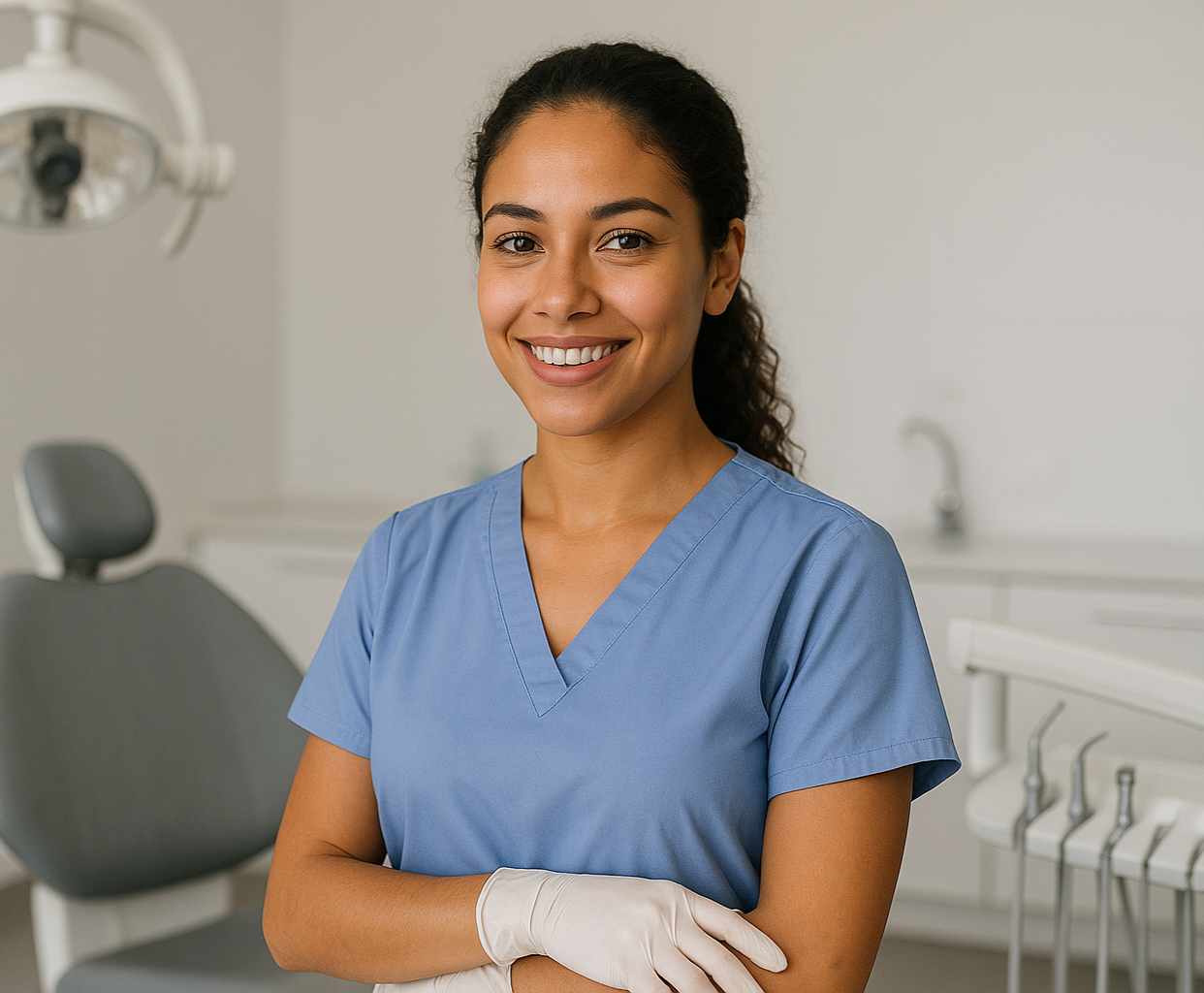
A Holiday Season Guide To Why Being A Dental Assistant Feels Truly Special And Unique
The holidays change the rhythm of a dental office. Patients come in with a lighter mood, staff members share small moments of celebration, and the entire practice feels more connected. For dental assistants, this time of year highlights what makes the profession stand out. It becomes clear that the work is not only clinical. It is also deeply human.
Dental assistants build relationships over time. They see patients during routine cleanings, emergencies, and treatment follow ups. During the holiday season, these familiar faces turn into warm conversations about family plans, travel, and personal milestones. Many assistants say they begin to feel more like part of a neighborhood network than simply a health care worker. This sense of community gives the job a feeling of belonging that few careers offer.
The holidays also make the purpose of the work more visible. People want healthy, confident smiles for family gatherings, photos, and end of year events. Dental assistants help make that happen. They reduce anxiety, offer reassurance, and support patients through procedures. The appreciation they receive during this season feels genuine.
Inside the office, teamwork grows stronger. Assistants often describe the workplace as a small family during the holidays. Everyone supports each other, shares food, and celebrates together. This environment makes each day feel meaningful.
Being a dental assistant is special all year, but the holidays reveal the heart of the profession. It is a job built on trust, kindness, and human connection.
With the right credentials, dedication, and professional path, a dental assistant can build a career that is both personally fulfilling and financially rewarding.
If you're searching for more than just a job—a career with stability, respect, and long-term potential—then becoming a licensed dental assistant could be your perfect path forward. Furthermore, it's not just a fast-track into the workforce; it's a gateway to a profession that’s always in demand, deeply trusted, and personally rewarding. When you're ready to take that next step, one school rises above the rest: The New York School for Medical and Dental Assistants. Moreover, with a reputation for hands-on training, dedicated instructors, and real-world readiness, it’s the smart choice for turning ambition into achievement. Lastly, The New York School for Medical and Dental Assistants stands out as the premier institution in the state. It’s the smart choice for anyone ready to invest in a future in healthcare.
Why I Decided to Become a Dental Assistant?
Why I Decided to Become a Dental Assistant?
I chose to become a dental assistant because the path felt clear and direct. I wanted a real job in healthcare without years of school. I liked the idea of training in months instead of taking on long debt. I wanted a job with skill, movement, and patient contact. I did not want a desk job all day.
The field offered strong demand. Dentists always need trained support. Clinics stay busy. I knew I could find steady work in almost any city. I also liked the schedule. Most offices run days. Evenings stay free. Weekends often stay open. Life feels balanced.
I wanted a role where I could grow. Dental assisting gives many paths. You can move into front office leadership. You can focus on X ray certification. You can join specialist offices. You can later apply to dental hygiene programs and raise your income even more.
I also liked the daily rhythm of the job. You set rooms. You help patients feel calm. You work with tools and technology. You see real progress in people’s health. The mix fits my personality. It gives me purpose, stability, and room to learn.
If you're searching for more than just a job, moreover, a career with stability, respect, and long-term potential; then becoming a licensed dental assistant could be your perfect path forward. Furthermore, it's not just a fast-track into the workforce; it's a gateway to a profession that’s always in demand, deeply trusted, and personally rewarding. When you're ready to take that next step, one school rises above the rest: The New York School for Medical and Dental Assistants. Furthermore, with a reputation for hands-on training, dedicated instructors, and real-world readiness, it’s the smart choice for turning ambition into achievement. Lastly, The New York School for Medical and Dental Assistants stands out as the premier institution in the state. It’s the smart choice for anyone ready to invest in a future in healthcare.
Contact NYSMDA today and get your career started!
20 Best Healthcare Jobs Without a Degree in 2025 with Salary Ranges
20 Best Healthcare Jobs Without a Degree in 2025 with Salary Ranges
Here are twenty strong healthcare jobs you can enter in 2025 without a four year degree. I keep sentences short. I avoid passive voice and symbols. I expand each job so you get a clear picture of the work, training time, and lifestyle fit.
One. Radiation therapist. You earn near eighty five to one hundred thousand dollars. You train two years. You work with cancer patients and support treatment teams.
Two. Nuclear medicine technologist. You earn near seventy five to ninety thousand dollars. You train with an associate degree. You use tracers to help doctors see organ function.
Three. Dental hygienist. You earn near seventy seven to ninety five thousand dollars. You study two to three years. You perform cleanings and preventive care.
Four. Diagnostic medical sonographer. You earn near seventy to eighty five thousand dollars. You train for eighteen to twenty four months. You run ultrasound exams on organs and pregnancies.
Five. MRI technologist. You earn near seventy to eighty five thousand dollars. You operate MRI machines and guide patients through scans.
Six. Radiologic technologist. You earn near sixty to eighty thousand dollars. You take X rays and support doctors during imaging.
Seven. Surgical technologist. You earn near sixty to sixty five thousand dollars. You prepare operating rooms and assist surgeons.
Eight. Medical equipment repair technician. You earn near sixty to seventy thousand dollars. You fix devices in hospitals and clinics.
Nine. Licensed practical nurse. You earn near fifty four to sixty five thousand dollars. You complete a one year program. You give direct patient care.
Ten. Dental assistant. You earn near forty five to fifty five thousand dollars. You train in months. You support dentists and handle X rays when certified.
Eleven. Medical billing and coding specialist. You earn near fifty to sixty thousand dollars. You work with claims and electronic health records.
Twelve. Pharmacy technician. You earn near forty to fifty five thousand dollars. You help fill prescriptions and manage inventory.
Thirteen. Phlebotomy technician. You earn near forty to fifty thousand dollars. You draw blood and prepare samples.
Fourteen. Sterile processing technician. You earn near forty to fifty five thousand dollars. You clean and prepare surgical tools.
Fifteen. Ophthalmic technician. You earn near forty five to sixty thousand dollars. You assist eye doctors and run basic vision tests.
Sixteen. Medical assistant. You earn near forty to fifty five thousand dollars. You work in clinics and handle both front desk and clinical tasks.
Seventeen. Patient care technician. You earn near thirty five to fifty thousand dollars. You help patients with daily needs and vital signs.
Eighteen. EKG technician. You earn near fifty to sixty five thousand dollars. You run heart monitoring equipment.
Nineteen. Emergency medical technician. You earn near forty to fifty five thousand dollars. You respond to urgent calls and provide first care.
Twenty. Home health aide supervisor. You earn near forty five to sixty thousand dollars. You oversee aides and manage patient support needs.
If you're searching for more than just a job, moreover, a career with stability, respect, and long-term potential; then becoming a licensed dental assistant could be your perfect path forward. Furthermore, it's not just a fast-track into the workforce; it's a gateway to a profession that’s always in demand, deeply trusted, and personally rewarding. When you're ready to take that next step, one school rises above the rest: The New York School for Medical and Dental Assistants. Furthermore, with a reputation for hands-on training, dedicated instructors, and real-world readiness, it’s the smart choice for turning ambition into achievement. Lastly, The New York School for Medical and Dental Assistants stands out as the premier institution in the state. It’s the smart choice for anyone ready to invest in a future in healthcare.
Contact NYSMDA today and get your career started!
What are the best Dental Schools?
What is the highest paying dental assistant specialty?
High value source links
https://www.bls.gov/ooh/healthcare/home.htm
https://www.indeed.com/career-advice/finding-a-job/high-paying-medical-jobs-with-little-schooling
https://www.goodwin.edu/enews/high-paying-medical-jobs-with-little-schooling
https://www.nysmda.com/dental-news/top-15-highest-paying-healthcare-jobs-without-a-degree-in-2025-earn-big-with-fast-certifications
https://www.allalliedhealthschools.com
https://www.medicaltechnologyschools.com
https://www.salary.com
https://www.glassdoor.com/Salaries